

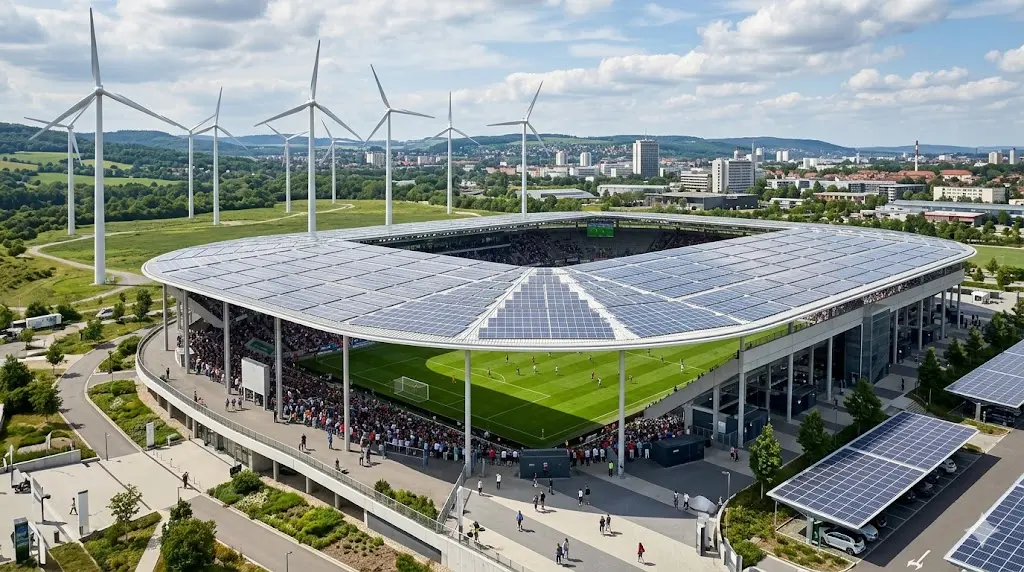
Why renewable infrastructure is changing the sports industry worldwide comes down to one major reality: sports organizations can no longer ignore energy costs, climate pressure, and fan expectations. Stadiums, training facilities, and major sporting events are increasingly adopting renewable systems because sustainability now affects profitability, branding, and long-term operational stability.
Renewable infrastructure is transforming the global sports industry by reducing operational costs, improving sustainability goals, attracting environmentally conscious fans, and modernizing stadium operations. In 2026, sports organizations increasingly invest in solar energy, water recycling, green transportation, and energy-efficient venues to stay competitive and financially resilient.
Why renewable infrastructure is changing the sports industry worldwide has become a serious conversation across professional leagues, event organizers, and sports investors. A decade ago, sustainability efforts in sports often felt like optional public relations campaigns. Now they’re tied directly to operational survival and fan perception.
Here’s the thing. Modern sports venues consume enormous amounts of electricity, water, transportation fuel, and maintenance resources.
That creates financial pressure alongside environmental scrutiny.
Fans also pay attention differently now. Many expect major sports brands to reflect broader sustainability values, especially younger audiences who already associate climate responsibility with brand trust.
Honestly, sports organizations that ignore renewable infrastructure today probably risk looking outdated tomorrow.
What Is Renewable Infrastructure in Sports?
Renewable infrastructure: Systems and facilities designed to reduce environmental impact through sustainable energy, resource efficiency, and environmentally responsible operations.
Within sports industries, renewable infrastructure may include:
Solar-powered stadiums
Water recycling systems
Electric transportation networks
Sustainable construction materials
Energy-efficient lighting
Smart cooling technologies
Organizations like International Olympic Committee and United Nations Environment Programme continue promoting sustainable sports development worldwide.
What most people overlook is that renewable infrastructure isn’t only about environmental messaging anymore. It’s becoming a financial management strategy too.
Why Renewable Infrastructure Matters in the Sports Industry in 2026
Sports industries face growing pressure from governments, sponsors, fans, and investors to improve sustainability performance.
Energy Costs Continue Rising
Large stadiums consume huge amounts of electricity during events.
Lighting systems, giant displays, air conditioning, broadcasting equipment, and crowd operations create enormous operational expenses.
Renewable energy systems help organizations reduce long-term utility costs.
In my experience, cost reduction often motivates sports organizations even more than sustainability branding.
Fans Expect Environmental Responsibility
Younger sports audiences increasingly support brands aligned with environmental values.
That affects:
Ticket sales
Sponsorship appeal
Merchandise loyalty
Social media engagement
International reputation
Sports teams are becoming lifestyle brands as much as entertainment companies.
Governments Are Tightening Regulations
Environmental regulations affecting construction, transportation, and energy efficiency continue expanding globally.
Sports venues now face greater scrutiny regarding:
Carbon emissions
Waste management
Water consumption
Event sustainability
Transportation impact
Renewable infrastructure helps organizations prepare for stricter future requirements.
Sponsors Prefer Sustainable Partnerships
Major sponsors increasingly favor environmentally responsible partnerships.
Companies want association with:
Green innovation
Sustainability leadership
Energy efficiency
Climate responsibility
That sponsorship shift influences investment decisions across global sports industries.
How Renewable Infrastructure Changes Sports Operations — Step by Step
Sports organizations usually adopt renewable infrastructure gradually rather than all at once.
1. Stadium Energy Audits Identify Problems
Organizations first analyze where energy waste occurs most frequently.
That often includes:
Lighting inefficiency
Cooling system overuse
Water waste
Transportation emissions
Excessive fuel consumption
2. Renewable Energy Systems Are Installed
Many venues adopt:
Solar panels
Battery storage systems
Wind energy integration
Smart power management systems
Renewable systems reduce long-term energy dependence significantly.
3. Transportation Networks Improve
Sports venues increasingly encourage:
Public transit access
Electric shuttle systems
Bicycle infrastructure
Charging stations for electric vehicles
Transportation emissions often represent a surprisingly large portion of event-related pollution.
4. Sustainable Construction Expands
New sports facilities increasingly use:
Recycled building materials
Water-saving systems
Efficient insulation
Low-energy lighting
What’s interesting is that sustainable construction often lowers maintenance expenses over time too.
5. Fan Engagement Campaigns Follow
Sports brands then promote sustainability initiatives publicly.
That strengthens:
Brand perception
Community engagement
Media attention
Sponsor relationships
Common Misconception About Renewable Sports Infrastructure
Sustainability Isn’t Just About Public Image
A lot of people assume renewable infrastructure mainly exists for marketing purposes.
That’s only partly true.
Let me be direct. Many organizations pursue renewable infrastructure because operational costs are becoming harder to control.
Energy-efficient systems often create measurable financial savings over time.
That economic reality is pushing adoption faster than environmental messaging alone.
How Renewable Infrastructure Improves Fan Experience
Fans notice venue quality more than organizations sometimes realize.
Modern sustainable stadiums often provide:
Better temperature control
Improved air quality
Cleaner facilities
Reduced noise pollution
Faster digital services
Realistic Example of Fan Expectations
Imagine attending two major sporting events.
One venue feels overcrowded, inefficient, and outdated. Another offers clean energy systems, smooth transportation access, comfortable temperatures, and visible sustainability efforts.
Most fans will probably associate the second venue with innovation and professionalism.
That perception matters for long-term audience growth.
Why Sports Investors Care About Renewable Infrastructure
Investors increasingly evaluate sustainability when funding sports projects.
Renewable infrastructure may improve:
Operational efficiency
Asset value
Sponsorship opportunities
Regulatory compliance
Long-term profitability
Some investors now view sustainability planning as a risk-management strategy rather than a branding exercise.
Honestly, this shift is changing how sports facilities are financed worldwide.
Expert Tips and What Actually Works
From what I’ve seen, sports organizations succeed with renewable infrastructure when they focus on practical improvements instead of flashy announcements.
Fans respond better to visible operational improvements than vague sustainability promises.
That includes things like:
Reduced waste systems
Efficient public transport access
Reusable materials
Smart energy systems
Water conservation measures
Small consistent improvements usually build stronger credibility over time.
Expert Tip
Sports organizations introducing sustainability programs should communicate measurable progress clearly. Fans trust transparent reporting more than broad environmental slogans.
The Unexpected Financial Advantage of Renewable Sports Venues
Here’s a counterintuitive point.
Some renewable infrastructure projects increase profitability faster than expected because they reduce unpredictable operating expenses.
Energy price volatility creates major budgeting challenges for large venues.
Renewable systems provide more predictable long-term cost structures.
That financial stability matters enormously for organizations hosting year-round events.
How Global Sporting Events Are Driving Change
International sporting events increasingly influence sustainability standards worldwide.
Host cities now face pressure to demonstrate:
Renewable energy adoption
Efficient transportation planning
Sustainable venue construction
Waste reduction systems
Major events often leave long-term infrastructure changes behind even after tournaments end.
That legacy effect is becoming a bigger part of sports planning discussions.
Why Athletes Support Sustainability More Openly
Athletes increasingly speak publicly about environmental responsibility.
Many recognize that climate conditions affect:
Outdoor training
Competition scheduling
Air quality
Travel logistics
Extreme weather safety
That athlete advocacy helps normalize renewable infrastructure investment within sports culture.
People Most Asked About Renewable Infrastructure in Sports
Why are sports stadiums adopting renewable energy?
Renewable energy helps reduce operating costs, improve sustainability goals, and strengthen long-term financial stability for sports organizations.
How does renewable infrastructure help sports teams financially?
Energy-efficient systems often lower electricity, maintenance, and water costs over time while improving sponsorship and investment opportunities.
Are fans interested in sustainable sports venues?
Yes. Many fans, especially younger audiences, support organizations that demonstrate environmental responsibility and modern sustainability practices.
What renewable systems are most common in sports facilities?
Solar panels, LED lighting, water recycling systems, energy-efficient cooling systems, and electric transportation support are among the most common upgrades.
Why are sponsors supporting green sports initiatives?
Sponsors increasingly want partnerships connected to sustainability, environmental responsibility, and innovation because consumer expectations continue shifting.
Can renewable infrastructure improve athlete performance?
Indirectly, yes. Better air quality, temperature management, and sustainable facility design may improve comfort, recovery conditions, and training environments.
Are smaller sports organizations adopting renewable systems too?
Many are. Smaller clubs increasingly adopt affordable solar systems, water-saving technology, and efficient lighting solutions to reduce expenses.
Final Thoughts on Why Renewable Infrastructure Is Changing the Sports Industry Worldwide
Why renewable infrastructure is changing the sports industry worldwide ultimately comes down to economics, public expectations, and long-term operational stability.
Sports organizations are realizing that sustainability is no longer separate from profitability or fan engagement. Renewable infrastructure helps reduce costs, modernize facilities, attract sponsors, and strengthen public trust across increasingly competitive global markets.
At least from what I’ve seen, sports industries embracing renewable innovation early are positioning themselves far better for the next decade than organizations treating sustainability like a temporary trend.
Businesses, startups, agencies, and SEO professionals aiming to improve digital reach can strengthen brand visibility through online press release distribution combined with trusted SEO services. These platforms support high authority backlinks, stronger SEO ranking, wider media coverage, instant publishing opportunities, and long-term organic traffic growth across competitive industries.