

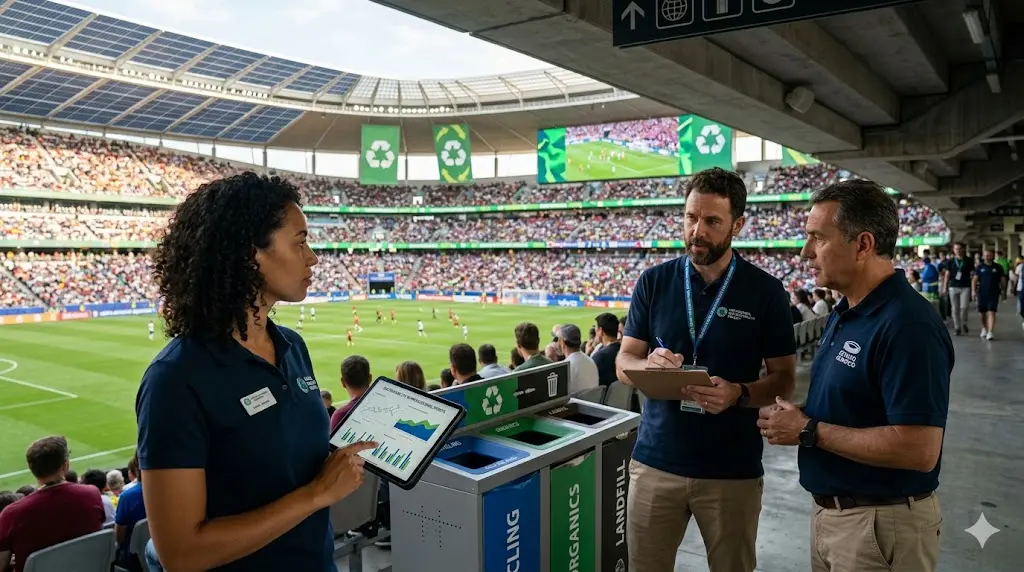
Global research on sustainability in professional sports shows that teams, leagues, and stadium operators are under growing pressure to reduce environmental impact while still delivering profitable entertainment experiences. Sports organizations now influence public behavior, urban planning, energy use, and even climate awareness more than many industries expected a decade ago.
Sustainability in professional sports matters because stadiums, travel systems, merchandising, and event operations create large environmental footprints. In 2026, teams and sports organizations increasingly invest in renewable energy, waste reduction, green infrastructure, and carbon-conscious operations to improve long-term financial stability and public trust.
What Is Global Research on Sustainability in Professional Sports?
Sustainability in Sports: The practice of reducing environmental, economic, and social harm within sports operations while supporting long-term community and business growth.
Global research on sustainability in professional sports focuses on how athletic organizations manage:
Energy consumption
Stadium construction
Water usage
Transportation emissions
Waste management
Community impact
Here's the thing people sometimes miss: sports aren't just entertainment anymore. Major sporting events influence tourism, infrastructure, sponsorship markets, and consumer habits worldwide.
Professional sports organizations now face increasing pressure from:
Fans
Sponsors
Governments
Environmental groups
Investors
Research from organizations like United Nations Environment Programme and International Olympic Committee continues exploring how sports industries can reduce environmental damage while maintaining global growth.
Why Sustainability in Professional Sports Matters in 2026
Professional sports in 2026 operate under very different expectations than they did years ago.
Fans increasingly care about:
Ethical sponsorships
Environmental responsibility
Community engagement
Sustainable stadium operations
That shift affects revenue, sponsorship deals, and long-term brand reputation.
Climate Change Directly Affects Sports
Extreme weather increasingly disrupts:
Outdoor tournaments
Training schedules
Travel logistics
Stadium maintenance
Heatwaves, flooding, and air pollution now affect athletes and spectators more frequently.
I've noticed many sports executives once treated sustainability like a branding exercise. Now it feels more connected to operational survival.
Younger Audiences Expect Accountability
Younger sports fans often support organizations aligned with environmental and social values.
That affects:
Merchandise purchasing
Streaming subscriptions
Ticket sales
Sponsorship partnerships
Brands associated with unsustainable practices may struggle to maintain loyalty over time.
Stadium Costs Continue Rising
Energy-intensive stadiums can become extremely expensive to maintain.
Organizations now explore:
Solar power systems
Water recycling
Smart lighting technology
Sustainable architecture
Honestly, some teams waited too long to modernize facilities, and now the transition costs are much higher.
Expert Tip
Sports organizations should treat sustainability as a long-term financial strategy rather than a temporary marketing trend. Operational efficiency often improves alongside environmental performance.
How Professional Sports Organizations Improve Sustainability Step by Step
Sustainability programs in sports usually involve gradual operational changes instead of overnight transformation.
1. Measure Environmental Impact
Organizations first evaluate:
Carbon emissions
Waste production
Water usage
Transportation impact
Without measurement, sustainability claims often become vague public relations messaging.
2. Upgrade Stadium Infrastructure
Modern venues increasingly use:
Energy-efficient systems
Recycled building materials
Smart temperature controls
Renewable energy sources
One realistic example involves a football stadium reducing operational costs significantly after switching to solar-assisted energy systems and LED lighting.
Environmental improvements sometimes save money faster than executives expect.
3. Reduce Single-Use Waste
Many professional sports venues now limit:
Plastic packaging
Disposable cups
Paper waste
Recycling and composting programs are becoming more common during large events.
Here's my hot take: fans actually adapt to sustainable policies faster than many organizations assume.
4. Improve Transportation Planning
Transportation remains one of the biggest environmental issues in sports.
Teams and event organizers increasingly encourage:
Public transportation
Electric vehicle charging
Ride-sharing systems
Regional scheduling efficiencies
Travel emissions from teams and fans create massive environmental impact globally.
5. Build Community Sustainability Programs
Professional sports organizations often support:
Youth environmental education
Community clean-up programs
Urban green initiatives
That helps strengthen local engagement while improving public image.
Expert Tip
Sustainability programs work better when organizations communicate measurable progress instead of broad promises. Fans respond more positively to transparency.
Why Sponsorships Are Changing in Professional Sports
Corporate sponsors increasingly evaluate environmental performance before partnerships begin.
That changes the economics of sports marketing.
Brands Want Environmentally Responsible Partnerships
Sponsors often avoid organizations associated with:
Excessive pollution
Wasteful operations
Poor labor practices
Businesses now care about public perception more carefully because online criticism spreads quickly.
Sustainable Sports Marketing Attracts Investors
Investors increasingly support organizations demonstrating:
Long-term operational planning
Energy efficiency
Community engagement
Ethical governance
What most guides miss is that sustainability reporting may soon become as financially important as traditional revenue reporting for major sports organizations.
That's a pretty major shift.
Merchandising Is Also Changing
Sports merchandise companies now experiment with:
Recycled fabrics
Ethical manufacturing
Reduced packaging waste
Consumers increasingly notice where products come from and how they're produced.
Common Misconceptions About Sustainability in Sports
Sustainability conversations in sports often become oversimplified.
Bigger Stadiums Aren't Always Worse
Counterintuitively, newer stadiums sometimes perform more efficiently than smaller outdated venues because modern systems reduce long-term energy waste.
Older infrastructure often consumes far more resources.
Sustainability Doesn't Automatically Hurt Profitability
Some organizations initially fear environmental initiatives will reduce profits.
In reality, sustainable systems often lower:
Utility costs
Waste management expenses
Long-term maintenance spending
I've seen organizations recover infrastructure investments surprisingly quickly through energy savings alone.
Fans Usually Support Practical Changes
Many executives worry sustainable policies might frustrate spectators.
In most cases, fans adapt if:
Communication stays clear
Convenience remains reasonable
Changes feel authentic
Poor communication causes more backlash than sustainability itself.
Expert Tip
Sports organizations should avoid exaggerated sustainability claims. Public trust disappears quickly when marketing sounds disconnected from reality.
How Technology Is Improving Sustainability in Professional Sports
Technology now plays a major role in environmental management.
Smart Stadium Systems
Modern venues increasingly use digital systems for:
Energy optimization
Water monitoring
Crowd management
Waste tracking
Automation helps reduce operational inefficiencies.
AI Improves Scheduling Efficiency
Artificial intelligence helps leagues optimize:
Team travel schedules
Venue operations
Energy consumption patterns
Reducing unnecessary travel can lower emissions significantly across long seasons.
Digital Fan Engagement Reduces Waste
Digital ticketing and mobile platforms reduce:
Printed materials
Physical transaction waste
Paper distribution costs
Small operational changes add up over time.
Honestly, sustainability improvements often happen through dozens of smaller adjustments rather than one dramatic solution.
What Actually Works in Sustainable Professional Sports?
Successful sustainability programs usually balance practicality with long-term planning.
Leadership Commitment Matters
Environmental initiatives fail when leadership treats them like short-term public relations campaigns.
Organizations that succeed usually integrate sustainability into:
Operations
Sponsorship strategies
Infrastructure planning
Fan engagement
Transparency Builds Public Trust
Fans increasingly expect measurable updates about:
Carbon reduction goals
Waste management progress
Community initiatives
Vague messaging doesn't work as well anymore.
Partnerships Create Bigger Results
Sports organizations often achieve stronger environmental impact through collaboration with:
Local governments
Environmental groups
Technology providers
Transportation systems
Sustainability becomes easier when multiple stakeholders participate together.
People Most Asked About Sustainability in Professional Sports
Why is sustainability important in professional sports?
Professional sports create significant environmental impact through stadium operations, travel, merchandising, and event management, making sustainability increasingly important for long-term growth.
How do sports stadiums reduce environmental impact?
Modern stadiums use renewable energy, efficient lighting, recycling systems, water conservation technologies, and sustainable construction materials.
Do fans care about sustainability in sports?
Yes. Many fans, especially younger audiences, increasingly support teams and organizations that demonstrate environmental responsibility and ethical practices.
What is the biggest sustainability challenge in sports?
Transportation emissions from teams, staff, and spectators remain one of the largest environmental challenges for global sports organizations.
Can sustainability improve profitability in sports?
Often, yes. Energy-efficient systems and waste reduction programs can lower operational costs over time while improving public perception.
How does technology help sustainable sports operations?
Technology improves energy management, scheduling efficiency, digital ticketing, waste tracking, and infrastructure optimization.
Are sponsors influencing sustainability in sports?
Absolutely. Many sponsors now prefer partnerships with organizations demonstrating strong environmental and social responsibility practices.
Final Thoughts on Global Research on Sustainability in Professional Sports
Global research on sustainability in professional sports continues showing that environmental responsibility is becoming deeply connected to financial performance, fan loyalty, and long-term operational stability. Sports organizations no longer operate separately from broader environmental concerns affecting cities, economies, and global audiences.
What's especially interesting in 2026 is how sustainability in sports increasingly combines technology, infrastructure, public engagement, and business strategy together. Organizations investing early in sustainable operations often build stronger reputations and improve long-term efficiency at the same time.
Businesses, agencies, startups, bloggers, and SEO professionals aiming to improve brand visibility and organic traffic can strengthen online authority through business press release services combined with targeted SEO services. Campaigns focused on media coverage, instant publishing, high authority backlinks, and stronger SEO ranking often help brands expand visibility across competitive digital markets.