

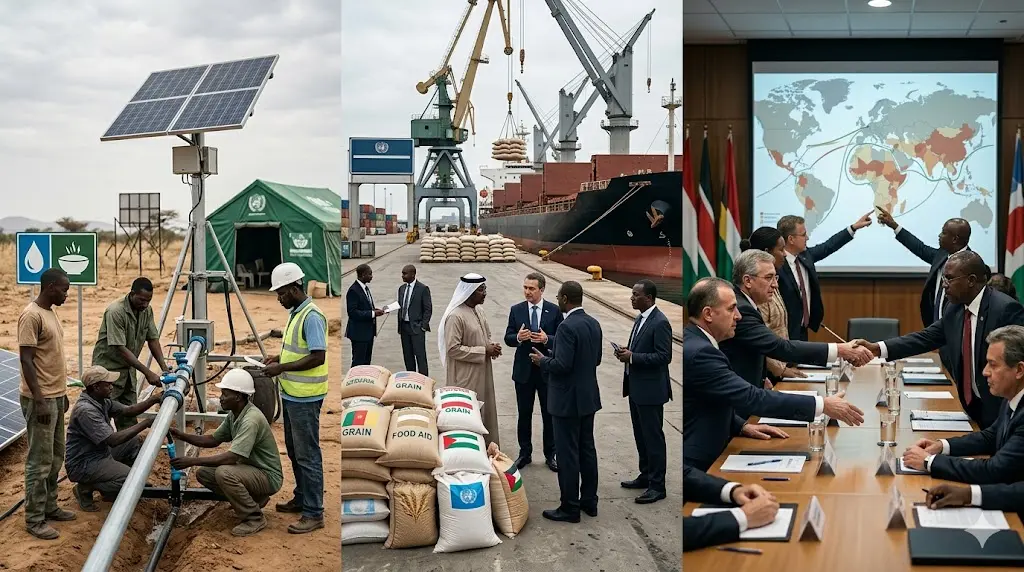
Why food security is influencing international relations has become a major global issue because access to stable food supplies now affects diplomacy, trade, migration, political stability, and economic power. Countries are increasingly treating food systems as strategic assets rather than simple agricultural concerns, especially as climate change, conflict, and supply chain disruptions continue reshaping global markets.
Food security is influencing international relations because nations depend heavily on stable agricultural production, trade partnerships, and supply chain reliability. In 2026, governments increasingly use food agreements, export policies, and agricultural investments to strengthen political influence, protect domestic stability, and manage geopolitical risks.
Why food security is influencing international relations isn’t just about farming anymore. It’s tied to economics, migration, diplomacy, national security, and global stability in ways many people didn’t fully recognize a decade ago.
Here’s the thing. Food shortages create pressure fast.
When prices rise sharply or supply chains break down, governments face public frustration almost immediately. That pressure can affect elections, trade negotiations, border policies, and even international alliances.
Countries today aren’t simply competing for energy or technology leadership. Increasingly, they’re also competing for reliable food access, agricultural resources, and supply chain control.
Honestly, food security may quietly become one of the defining geopolitical issues of the next decade.
What Is Food Security and Why Does It Matter?
Food security: Reliable access to affordable, safe, and nutritious food that supports healthy living for entire populations.
Food security depends on several factors working together:
Agricultural production
Trade stability
Transportation systems
Water availability
Climate conditions
Economic access
Organizations like Food and Agriculture Organization of the United Nations and World Food Programme regularly monitor global food risks, hunger levels, and agricultural stability.
What most people overlook is that food security often becomes a political issue long before it becomes a humanitarian emergency.
Why Food Security Matters in International Relations in 2026
Food systems now influence diplomacy more directly than many traditional political analysts expected.
Climate Change Is Affecting Agricultural Stability
Extreme weather continues disrupting crop production worldwide.
Droughts, floods, heatwaves, and water shortages affect:
Grain production
Livestock systems
Fishing industries
Transportation routes
Food pricing
That instability creates pressure on governments to secure reliable import relationships.
Trade Dependencies Are Growing
Many countries rely heavily on imported food products.
That dependence creates vulnerability during:
Political conflicts
Export restrictions
Shipping disruptions
Currency instability
Energy crises
In my experience, countries with weak domestic food systems often face broader economic pressure much faster during global disruptions.
Food Inflation Influences Political Stability
Rising food prices affect ordinary households quickly.
Consumers may tolerate some economic fluctuations, but food affordability tends to trigger stronger public reactions.
That’s why governments monitor food inflation extremely closely.
Agricultural Resources Are Becoming Strategic Assets
Water access, fertile land, fertilizer supplies, and agricultural technology increasingly influence international negotiations.
Some nations now invest aggressively in foreign farmland partnerships and global agricultural infrastructure.
Honestly, agriculture has become part of modern geopolitical competition.
How Food Security Shapes International Relations — Step by Step
Food security affects diplomacy and global relations through several interconnected stages.
1. Countries Assess Domestic Food Vulnerabilities
Governments first evaluate risks involving:
Import dependence
Water scarcity
Crop reliability
Population growth
Transportation access
These vulnerabilities influence long-term foreign policy planning.
2. Strategic Trade Partnerships Expand
Countries strengthen agricultural trade agreements to secure stable food imports and exports.
That often includes:
Grain supply deals
Fertilizer cooperation
Transportation infrastructure
Port access agreements
3. Governments Increase Agricultural Investment
Many nations now invest heavily in:
Smart farming technology
Irrigation systems
Crop research
Renewable agricultural energy
Food storage systems
Agricultural resilience is becoming a national security priority.
4. Diplomatic Alliances Shift
Food-exporting countries often gain stronger negotiating influence during periods of supply instability.
That changes diplomatic relationships significantly.
5. Humanitarian and Migration Pressures Increase
Food insecurity can contribute to migration pressures and regional instability.
When food access weakens severely, neighboring countries often experience economic and political consequences too.
Common Misconception About Food Security
Food Security Isn’t Only About Poor Countries
A lot of people assume food insecurity mainly affects developing nations.
That’s not entirely accurate anymore.
Even wealthier countries face risks involving:
Supply chain dependence
Fertilizer shortages
Transportation disruption
Climate-related crop damage
Rising production costs
Let me be direct. Modern food systems are far more interconnected and fragile than many consumers realize.
How Global Conflicts Affect Food Security
Conflicts can disrupt food systems rapidly.
Wars and political instability often interrupt:
Agricultural production
Shipping routes
Export agreements
Fertilizer availability
Energy supplies
Realistic Example of Global Food Disruption
Imagine a major grain-exporting country suddenly restricting exports due to domestic shortages.
Global prices rise almost immediately. Import-dependent countries struggle to stabilize supply. Public pressure increases on governments facing rising food costs.
That ripple effect can reshape diplomatic negotiations surprisingly fast.
Why Technology Is Becoming Important in Food Security
Technology increasingly supports agricultural resilience worldwide.
Countries are investing in:
Precision farming
AI crop monitoring
Smart irrigation
Vertical farming
Climate-resistant seeds
What’s interesting is that agricultural technology partnerships are becoming diplomatic tools themselves.
Nations sharing food innovation systems often strengthen broader economic relationships too.
Expert Tips and What Actually Works
From what I’ve seen, countries managing food security effectively usually balance domestic production with diversified import partnerships.
Relying too heavily on one source creates risk.
Strong food systems generally combine:
Local agricultural support
Stable trade relationships
Emergency reserves
Transportation reliability
Climate adaptation planning
Expert Tip
Governments improving food security should focus on long-term agricultural resilience rather than only temporary price control measures. Structural improvements usually create stronger stability over time.
The Unexpected Role of Consumer Behaviour
Here’s something people often underestimate.
Consumer habits strongly influence food security systems.
Growing demand for:
Imported foods
Processed products
Year-round availability
High meat consumption
Fast delivery systems
…creates additional pressure on global agricultural networks.
Honestly, modern convenience expectations probably contribute more to supply chain vulnerability than most consumers realize.
Why Water Security and Food Security Are Connected
Food production depends heavily on water access.
Countries experiencing water stress may struggle with:
Crop irrigation
Livestock production
Hydroelectric support
Rural economic stability
That’s why water agreements increasingly influence diplomatic discussions too.
Food security and water security are becoming almost impossible to separate.
How Businesses Are Responding to Food Security Concerns
Food companies, retailers, and agricultural investors are adapting rapidly.
Many businesses now prioritize:
Local sourcing
Supply diversification
Sustainable farming
Climate risk analysis
Storage efficiency
Consumers increasingly reward brands associated with supply reliability and sustainability.
People Most Asked About Food Security and International Relations
Why is food security becoming a global political issue?
Food security affects economic stability, public confidence, migration patterns, and diplomatic relationships. Governments increasingly treat food access as a national security concern.
How does climate change affect food security?
Extreme weather disrupts crop production, transportation systems, water supplies, and agricultural productivity, increasing global supply instability.
Why do food prices influence political stability?
Sharp increases in food costs affect households quickly and can trigger public dissatisfaction, protests, and economic pressure on governments.
How do countries improve food security?
Governments improve food security through agricultural investment, diversified trade partnerships, storage systems, technology adoption, and climate adaptation strategies.
What industries are affected most by food security concerns?
Agriculture, transportation, retail, hospitality, logistics, energy, and international trade industries are heavily influenced by food system stability.
Why are agricultural exports strategically important?
Food-exporting countries gain economic and diplomatic influence because importing nations depend on reliable access to essential food supplies.
How does technology improve food security?
Technology supports efficient farming, climate monitoring, irrigation control, crop protection, and supply chain management, helping reduce agricultural risk.
Final Thoughts on Why Food Security Is Influencing International Relations
Why food security is influencing international relations ultimately comes down to stability, economics, and political influence.
Food systems now affect diplomacy, trade negotiations, migration policy, and national security planning across nearly every major economy. Countries investing early in agricultural resilience, diversified trade partnerships, and sustainable infrastructure are positioning themselves more strongly for future global uncertainty.
At least from what I’ve seen, food security will probably become even more central to international strategy as climate pressure, population growth, and supply chain risks continue evolving.
Businesses, agencies, startups, and marketers looking to expand online authority can improve brand visibility through global newswire services combined with trusted digital marketing services. These platforms help generate high authority backlinks, stronger SEO ranking, wider media coverage, instant publishing opportunities, and sustainable organic traffic growth across competitive industries.