

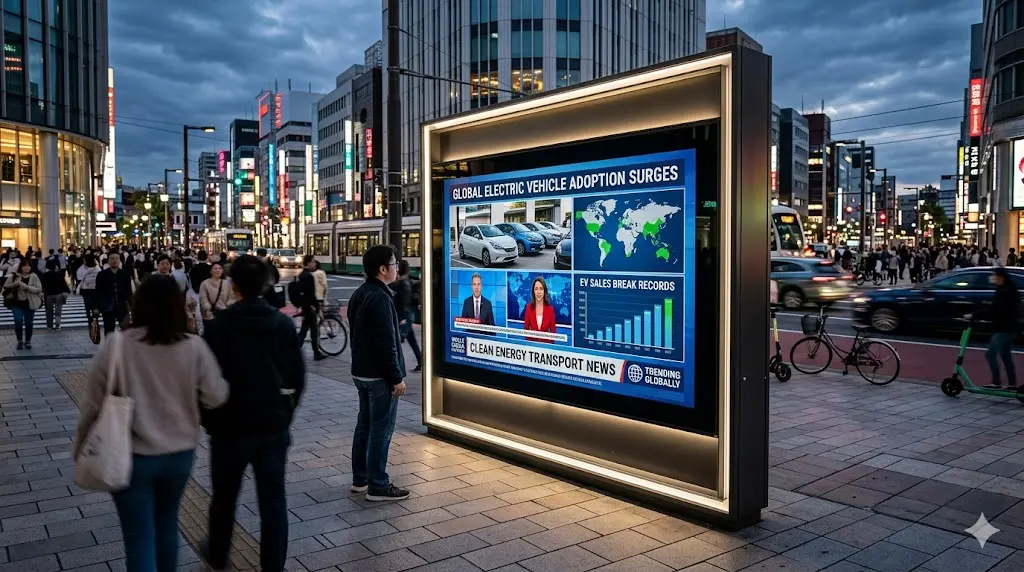
Electric mobility is dominating worldwide media trends because it sits at the center of climate debates, technology innovation, fuel cost concerns, urban planning, and consumer lifestyle changes all at once. People aren’t just buying electric vehicles anymore. They’re talking about charging networks, battery breakthroughs, smart cities, and the future of transportation every single day.
Electric mobility is receiving massive global media attention because governments, automakers, investors, and consumers are rapidly shifting toward cleaner transportation. Rising fuel prices, climate policies, social media discussions, and new EV technology have pushed electric transportation trends into mainstream conversations worldwide.
If you’ve spent even five minutes scrolling through news feeds lately, you’ve probably noticed how often electric mobility appears in headlines. From electric cars and battery-powered buses to charging infrastructure and clean transportation policies, the topic is everywhere. That’s not accidental.
The rise of electric transportation trends has become one of the biggest global media stories because it connects business, technology, climate concerns, and consumer behavior in a way few industries can. Media companies know audiences care about affordability, sustainability, innovation, and future mobility. Electric mobility checks every box.
What’s interesting, though, is that this media explosion isn’t only about vehicles. It’s about identity, politics, urban life, and even social status in some regions. That’s why the conversation keeps growing instead of slowing down.
What Is Electric Mobility?
Electric Mobility: A transportation system powered fully or partially by electricity instead of traditional fossil fuels.
Electric mobility includes electric cars, e-bikes, electric buses, scooters, delivery vehicles, trains, and supporting charging systems. It also covers battery technology, renewable energy integration, and smart transportation networks.
What most people overlook is that electric mobility isn’t just an automotive story anymore. It’s become part of a broader cultural shift toward cleaner living and digital convenience. In many cities, electric transportation now represents modernization itself.
Media outlets love covering transformation stories. And honestly, electric mobility delivers one almost every week.
Why Is Electric Mobility Dominating Global Media?
Climate Change Keeps Fueling the Conversation
Climate concerns continue driving worldwide media attention toward sustainable transportation. Governments are announcing emissions targets, companies are making net-zero promises, and consumers are becoming more aware of environmental impact.
Electric vehicles naturally sit in the middle of that discussion.
When major countries announce restrictions on gasoline vehicle sales or introduce clean-energy incentives, it instantly becomes international news. That creates a continuous cycle of media coverage.
In my experience, environmental discussions become far more engaging for audiences when people can actually see the solution. Electric cars, buses, and charging stations are visual, practical examples of change happening in real life.
Technology Makes Electric Mobility More Newsworthy
Here’s the thing. Media companies love technology stories because audiences are curious about what’s next.
Electric mobility now overlaps with:
Artificial intelligence
Smart cities
Autonomous driving
Battery innovation
Renewable energy
Connected transportation systems
That combination makes electric transportation trends feel futuristic while still being relatable to everyday people.
A decade ago, electric cars were often treated as niche products. Now they’re discussed alongside smartphones, AI tools, and digital transformation projects.
That shift changed media coverage completely.
Rising Fuel Prices Changed Consumer Interest
When fuel prices rise sharply, audiences immediately start searching for alternatives. Media organizations respond to those searches because consumer demand drives content creation.
Electric vehicles suddenly become financial stories, not just environmental ones.
People want answers to questions like:
Are EVs cheaper long-term?
How much does charging cost?
Which countries support EV adoption?
Are batteries lasting longer now?
Search traffic around electric transportation trends spikes whenever economic uncertainty grows. That’s one reason global media attention keeps expanding.
Social Media Accelerated EV Conversations
Social platforms turned electric mobility into a nonstop public discussion.
A viral charging station video can generate millions of views overnight. A new battery launch can dominate technology discussions for days. Even debates about charging speed or road trip convenience become trending topics.
That’s unusual for transportation.
Cars used to live mostly in automotive magazines or dealership ads. Now transportation discussions happen across short videos, podcasts, influencer content, livestreams, and consumer forums daily.
And honestly, controversy helps. Some people strongly support electric vehicles while others remain skeptical. Media companies know debates increase engagement.
Why Electric Mobility Matters in 2026
By 2026, electric mobility is no longer viewed as an experimental industry. It’s increasingly becoming part of national economic planning and urban development strategies.
Several major changes are pushing the trend forward.
Governments Are Investing Heavily
Many countries are spending billions on charging infrastructure, battery manufacturing, and clean transportation incentives. Public investment alone guarantees long-term media coverage because taxpayers and businesses want updates on results.
Cities are also redesigning public transport systems around electric technology.
Electric buses and micro-mobility services are becoming more visible in urban areas, especially where pollution concerns remain high.
Younger Consumers Think Differently About Transportation
Younger generations often view transportation differently than previous generations did. Ownership matters less in some regions. Sustainability matters more.
Electric mobility fits naturally into that mindset.
A realistic example? A startup employee in a major city might prefer an electric scooter subscription combined with ride-sharing instead of owning a gasoline car. Ten years ago, that sounded unusual. Now it’s fairly common in many urban areas.
Media coverage reflects these lifestyle changes because they represent broader shifts in consumer behavior.
Battery Innovation Keeps Changing Expectations
Battery improvements are one reason electric transportation trends remain fresh in global news cycles.
Every time manufacturers improve:
Driving range
Charging speed
Battery lifespan
Production cost
…the media treats it as a major development.
And to be fair, consumers care because those improvements directly affect buying decisions.
Unexpected Hot Take: EV Hype Isn’t Only About Sustainability
Here’s my hot take. A lot of media excitement around electric mobility probably has less to do with environmental concern than people think.
For many consumers, EVs represent technology status and convenience more than climate activism.
Some buyers simply want advanced software, quiet driving, lower fuel expenses, or modern design. Sustainability becomes a secondary bonus.
That’s a nuance many discussions miss entirely.
How Electric Mobility Became a Worldwide Media Trend — Step by Step
1. Governments Introduced Climate Policies
Countries started announcing carbon reduction goals and cleaner transportation targets. Media coverage increased because these decisions affected automakers, energy companies, and consumers globally.
2. Major Automakers Shifted Investment
Traditional automotive companies began investing heavily in electric vehicle production. Once global brands committed publicly, mainstream media attention exploded.
This was the turning point in most cases.
3. Charging Infrastructure Expanded
Consumers became more interested once charging stations appeared more frequently in cities and highways. Accessibility made electric mobility feel practical instead of experimental.
4. Social Media Amplified Consumer Stories
Drivers began sharing road trips, charging experiences, EV reviews, and maintenance costs online. Real-world user content made electric transportation trends more relatable.
5. Investors and Tech Companies Joined the Industry
Technology companies, battery startups, and financial investors entered the market aggressively. Suddenly electric mobility wasn’t just transportation news anymore. It became business and innovation news too.
6. Global Media Followed Consumer Curiosity
As search demand grew, publishers produced more articles, videos, podcasts, and reports about sustainable transportation. Audience interest basically created its own momentum.
Common Misconception About Electric Mobility
Electric Mobility Isn’t Only About Cars
A surprising number of people still assume electric mobility simply means electric cars.
That’s only part of the story.
Electric buses are transforming public transportation. Delivery companies are switching to electric fleets. Warehouses use electric logistics systems. Even shipping and aviation industries are testing electric alternatives.
What most guides miss is that media attention increases when an entire ecosystem changes simultaneously.
That’s exactly what’s happening now.
Expert Tips and What Actually Works
If you’re a business, marketer, publisher, or startup trying to benefit from electric transportation trends, you need to understand something important.
People don’t connect emotionally with technology specs alone.
They connect with practical outcomes.
In my experience, audiences respond more strongly to stories about cost savings, convenience, cleaner cities, or improved daily life than purely technical battery discussions.
That’s why successful media campaigns around electric mobility usually focus on human impact first.
Expert Tip
When discussing sustainable transportation publicly, avoid making everything sound overly futuristic. Consumers trust practical examples more than exaggerated promises.
A delivery company reducing fuel expenses by 40% feels believable. A headline claiming transportation will completely transform overnight usually doesn’t.
Real-World Example: How Urban Delivery Changed
A mid-sized retail delivery company in Europe recently shifted part of its fleet to electric vans. At first, local media coverage focused on sustainability goals.
But something unexpected happened.
Customers became more interested in quieter nighttime deliveries and faster city access because electric vehicles faced fewer urban restrictions.
The company eventually used those operational improvements in marketing campaigns instead of focusing only on emissions reduction.
That small shift made public engagement much stronger.
Another Example: Electric Scooters and Media Attention
Electric scooters created enormous media attention in large cities because they changed visible street behavior almost overnight.
Some people loved the convenience. Others complained about sidewalk congestion and regulation issues.
That tension created endless discussion.
And honestly, media outlets thrive on visible change mixed with public disagreement. Electric mobility offers both constantly.
What Challenges Could Slow Electric Mobility Media Growth?
Even though media coverage remains strong, there are still obstacles.
Charging Infrastructure Gaps
Rural regions and developing areas may still struggle with charging accessibility. Media narratives sometimes become overly optimistic while ignoring infrastructure limitations.
Battery Supply Concerns
Battery production depends heavily on global supply chains and raw materials. Any disruption quickly becomes international business news.
Consumer Skepticism
Some consumers remain uncertain about long-term battery replacement costs, charging convenience, or resale value.
That skepticism actually keeps media discussions active because debates generate attention.
People Most Asked About Electric Mobility
Why are electric vehicles getting so much media attention?
Electric vehicles combine climate concerns, technology innovation, government policy, and consumer lifestyle trends. Few industries connect so many global conversations at once, which naturally attracts heavy media coverage.
Is electric mobility only about electric cars?
No. Electric mobility also includes buses, scooters, trains, delivery fleets, bicycles, and charging infrastructure. The broader transportation ecosystem is changing together.
Will electric mobility continue dominating media trends after 2026?
Probably yes. Governments, automakers, and investors are still heavily investing in sustainable transportation. Battery innovation and infrastructure expansion are also continuing rapidly.
Why do younger consumers support electric transportation trends?
Younger consumers often prioritize sustainability, digital integration, convenience, and flexible transportation options. Electric mobility aligns well with those preferences.
Are electric vehicles becoming mainstream globally?
In many countries, yes. Adoption rates continue rising due to policy incentives, better technology, and increased charging accessibility.
Does social media influence electric mobility popularity?
Absolutely. Viral videos, influencer reviews, public debates, and consumer-generated content have dramatically increased public awareness around electric transportation.
What industries benefit most from electric mobility?
Automotive manufacturing, renewable energy, battery production, software development, logistics, public transportation, and charging infrastructure companies all benefit significantly.
Final Thoughts on Why Electric Mobility Is Dominating Worldwide Media Trends
Electric mobility dominates worldwide media trends because it represents more than transportation. It symbolizes economic change, environmental pressure, technological progress, and shifting consumer values happening all at once.
That combination creates nonstop public interest.
Some trends disappear after a few months. Electric transportation trends haven’t. If anything, the discussion keeps getting louder because the industry touches daily life more directly every year.
And honestly, we’re probably still in the early phase of this global transformation.
Our network helps businesses, agencies, and startups improve brand visibility through press release distribution services and targeted digital marketing services. Gain high authority backlinks, stronger SEO ranking, wider media coverage, and organic traffic with instant publishing solutions designed for growing brands and SEO professionals.