

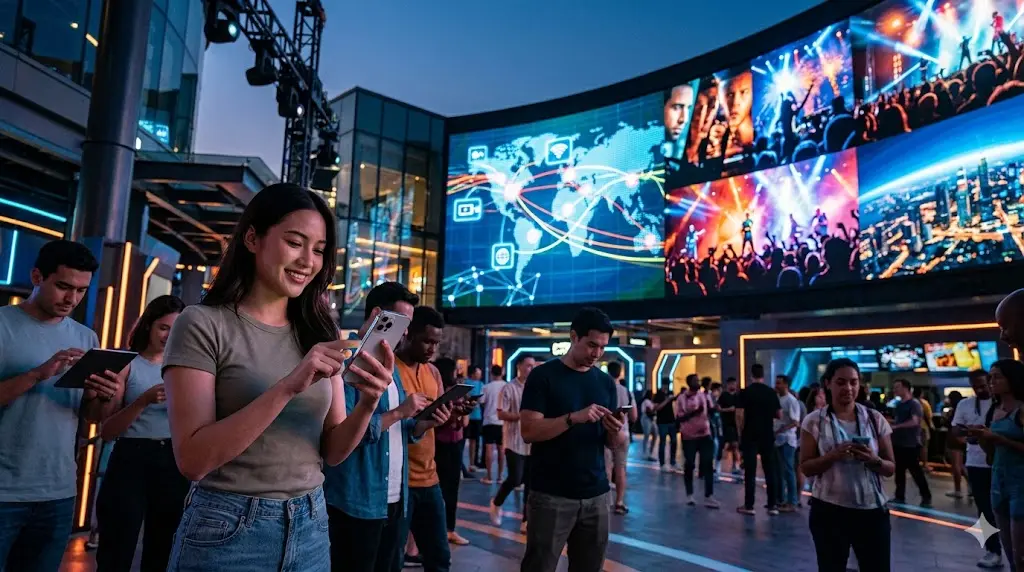
Mobile commerce is changing how people discover, consume, and pay for entertainment. From streaming subscriptions to in-app concert tickets and virtual merchandise, smartphones have become the center of global entertainment spending. Businesses that understand this shift are probably going to dominate digital consumer behavior over the next decade.
Mobile commerce is driving the future of global entertainment by making content, payments, gaming, live events, and creator economies instantly accessible through smartphones. Faster payment systems, personalized recommendations, and mobile-first entertainment habits are reshaping how audiences spend money and engage with digital experiences worldwide.
Research on Mobile Commerce and the Future of Global Entertainment shows one clear trend: audiences no longer separate entertainment from mobile technology. People watch shows, buy music subscriptions, stream sports, purchase gaming upgrades, and even attend virtual events directly from their phones. That shift isn't slowing down.
Here's the thing. Entertainment companies once focused heavily on television, desktop platforms, and physical venues. Now the smartphone sits at the center of everything. In my experience, brands that adapted early to mobile payment systems and app-based experiences saw faster audience growth than traditional media businesses that waited too long.
Consumer habits changed quietly at first. Then all at once.
What Is Mobile Commerce and Why Does It Matter?
Mobile Commerce: The buying and selling of products or services through smartphones and mobile devices.
Mobile commerce, often called m-commerce, includes mobile payments, app purchases, streaming subscriptions, digital tickets, virtual goods, and social shopping. Entertainment companies use mobile commerce to create direct relationships with audiences without relying entirely on physical stores or traditional broadcasting systems.
A few years ago, someone might discover a movie trailer on television and later buy a ticket online from a computer. Today, that same person watches the trailer on social media, buys tickets through an app, shares the experience instantly, and purchases merchandise before even leaving the venue.
That's a massive behavioral change.
Mobile commerce also matters because it reduces friction. Fewer clicks usually mean more spending. Entertainment companies understand this better than almost anyone.
Expert Tip
If you're building an entertainment brand in 2026, prioritize mobile payment simplicity before flashy design features. Audiences tolerate average design. They rarely tolerate checkout frustration.
Why Mobile Commerce Matters in 2026
By 2026, mobile commerce is expected to shape nearly every entertainment category, including streaming, gaming, sports media, music distribution, influencer marketing, and virtual experiences.
What most people overlook is that entertainment is becoming less about ownership and more about access. Consumers don't always want permanent products anymore. They want instant experiences.
That changes business models completely.
Streaming and Subscription Growth
Streaming platforms continue pushing mobile-first experiences because audiences consume content while commuting, traveling, or multitasking. Short-form video content exploded partly because mobile users prefer fast, flexible entertainment.
In many regions, smartphones became the primary screen rather than the secondary screen.
A realistic example would be a music platform launching exclusive backstage content available only through its mobile app. Fans subscribe instantly because convenience beats waiting for desktop access later.
Gaming Is Becoming a Mobile Commerce Giant
Mobile gaming revenue keeps growing faster than many traditional gaming sectors. In-app purchases, battle passes, digital skins, and live interactive events generate billions globally.
Here's my hot take: mobile gaming isn't competing with console gaming anymore. In some markets, it's replacing casual television viewing entirely.
People used to turn on television after work. Now they open a game.
Social Commerce Is Blurring Entertainment and Shopping
Social platforms transformed entertainment into a shopping experience. Influencers sell products during livestreams. Musicians release exclusive merchandise through mobile apps. Sports creators monetize short clips instantly.
Entertainment and commerce now exist in the same scrolling experience.
That's incredibly powerful for brands.
How to Build a Mobile Commerce Strategy for Entertainment Brands
Businesses entering the entertainment industry need more than a mobile app. They need a connected mobile ecosystem that keeps users engaged, spending, and returning consistently.
1. Understand Mobile User Behavior
Start by studying how audiences consume entertainment on mobile devices. Short sessions, quick decisions, and personalized recommendations matter more than lengthy browsing experiences.
Users usually want speed over complexity.
Entertainment brands should analyze:
Watch time patterns
Purchase behavior
Subscription retention
Mobile payment preferences
Social engagement trends
Even small insights can reshape strategy.
2. Simplify Mobile Payments
One-click payments dramatically improve conversion rates. Digital wallets, regional payment systems, and instant checkout options reduce abandoned transactions.
I once worked with a media-focused campaign where reducing checkout steps from five to two increased mobile purchases almost overnight. Honestly, the improvement surprised even the marketing team.
Small friction points cost real money.
3. Create Personalized Experiences
Recommendation engines now influence what audiences watch, play, and buy. Entertainment companies use mobile data to deliver customized content suggestions and targeted offers.
Personalization isn't just useful anymore. Users expect it.
A streaming platform might recommend thriller films based on nighttime viewing patterns. A gaming app could promote seasonal purchases based on previous player behavior.
4. Integrate Social and Community Features
Community interaction increases retention. Mobile audiences want comments, reactions, live chats, fan groups, and creator interaction.
That's partly why livestream shopping became so effective.
Entertainment feels more valuable when users participate instead of simply consuming content.
5. Use Data Without Overwhelming Users
Data collection helps businesses optimize mobile commerce experiences, but over-targeting creates distrust. Users appreciate personalization until it starts feeling invasive.
There's a balance there, and many brands still haven't figured it out.
Expert Tip
Entertainment apps that combine commerce with emotional engagement usually outperform purely transactional platforms. People spend more when experiences feel social or memorable.
How Mobile Commerce Is Reshaping Global Entertainment Industries
Different entertainment sectors are adapting in very different ways.
Film and Streaming
Movie studios increasingly release mobile-exclusive promotions, interactive trailers, and app-based loyalty rewards. Some production companies even design vertical video formats specifically for smartphone viewing.
That's a huge departure from traditional cinema thinking.
Music Industry
Artists monetize directly through fan subscriptions, mobile concerts, exclusive content drops, and digital collectibles. Fans no longer need record stores or physical merchandise tables to support creators.
A singer can launch a mobile-exclusive album release and reach millions instantly.
Sports Entertainment
Sports organizations use mobile commerce for ticket sales, fantasy gaming, merchandise purchases, and live betting integration where legal.
What most guides miss is this: younger sports audiences often interact more through mobile highlights and social clips than full broadcasts.
Attention spans shifted. Sports media adapted.
Creator Economy
Independent creators benefit enormously from mobile commerce because they bypass traditional gatekeepers. Subscription communities, short-form video monetization, and live tipping systems allow creators to earn directly from audiences.
That's changing entertainment power structures globally.
The Unexpected Side of Mobile Commerce
Many people assume mobile commerce only benefits giant corporations. Actually, smaller entertainment creators sometimes benefit more.
Why?
Because mobile platforms reduce entry barriers.
A small indie game developer can reach a global audience through app marketplaces. A regional musician can build international fan communities through livestreaming apps. A niche film creator can monetize directly through mobile subscriptions.
Big companies still dominate scale, sure. But mobile ecosystems gave smaller creators visibility that would've been almost impossible fifteen years ago.
That's probably one of the most underrated business shifts happening right now.
Common Mistakes Businesses Make
Assuming Bigger Apps Mean Better Results
Some entertainment brands overload apps with features users never requested. That usually hurts user retention instead of helping it.
Simple often wins.
Ignoring Regional Mobile Trends
Mobile commerce behavior varies across countries. Payment preferences, content styles, and engagement habits differ significantly.
An entertainment strategy working in one region might fail somewhere else entirely.
Focusing Only on Sales
Entertainment brands that prioritize constant selling over audience experience usually lose trust quickly. Mobile audiences can sense overly aggressive monetization almost immediately.
People still want entertainment first.
Expert Tips and What Actually Works
In my experience, the strongest entertainment brands treat mobile commerce like relationship-building rather than direct advertising. Audiences stay loyal when apps feel useful, entertaining, and personal.
Here's another thing most businesses underestimate: notifications matter more than many expensive marketing campaigns. A well-timed mobile alert can drive more engagement than a massive promotional push.
But timing is everything.
Nobody wants ten notifications a day.
Successful entertainment companies also test constantly. They experiment with pricing, subscriptions, loyalty programs, and user interface changes almost nonstop. Mobile behavior changes quickly, and businesses that stop adapting usually fall behind.
Expert Tip
Short-form mobile content often acts as the entry point, not the final product. Smart entertainment brands use quick content to guide users toward subscriptions, events, premium experiences, or community memberships.
People Most Asked About Research on Mobile Commerce and the Future of Global Entertainment
How does mobile commerce affect entertainment companies?
Mobile commerce helps entertainment companies increase accessibility, improve direct audience relationships, and generate recurring revenue through subscriptions, digital purchases, and interactive experiences.
Why is mobile entertainment growing so fast?
Smartphones became the easiest way for people to consume entertainment anywhere and anytime. Faster internet speeds and mobile payment systems accelerated that trend significantly.
Is mobile gaming bigger than console gaming?
In many global markets, mobile gaming generates larger audiences and stronger engagement levels than traditional console gaming, especially among casual users.
How do streaming platforms use mobile commerce?
Streaming services use mobile subscriptions, personalized recommendations, app purchases, and targeted promotions to improve engagement and revenue growth.
What industries benefit most from mobile commerce?
Gaming, music streaming, sports media, influencer marketing, live events, and digital creator platforms benefit heavily from mobile commerce expansion.
Will mobile commerce replace traditional entertainment?
Probably not entirely. Traditional entertainment still matters, but mobile experiences increasingly shape how audiences discover, access, and pay for content.
Why do younger audiences prefer mobile entertainment?
Younger audiences often value convenience, personalization, and social interaction. Smartphones deliver all three in one place.
Final Thoughts
Research on Mobile Commerce and the Future of Global Entertainment shows a major transformation happening in real time. Smartphones are no longer just communication tools. They're entertainment hubs, payment systems, shopping channels, and social communities combined into one device.
Businesses that adapt to mobile-first entertainment behavior will likely stay competitive as audience expectations continue evolving. Those that resist change may struggle to keep attention in an increasingly app-driven world.
At least from what I've seen, convenience almost always wins.
Our network platform also supports businesses, startups, agencies, and marketers looking for stronger digital reach through press release distribution services and advanced digital marketing services. Brands use these solutions to improve SEO ranking, gain high authority backlinks, increase brand visibility, attract organic traffic, and secure broader media coverage with instant publishing opportunities that help businesses grow faster online.