

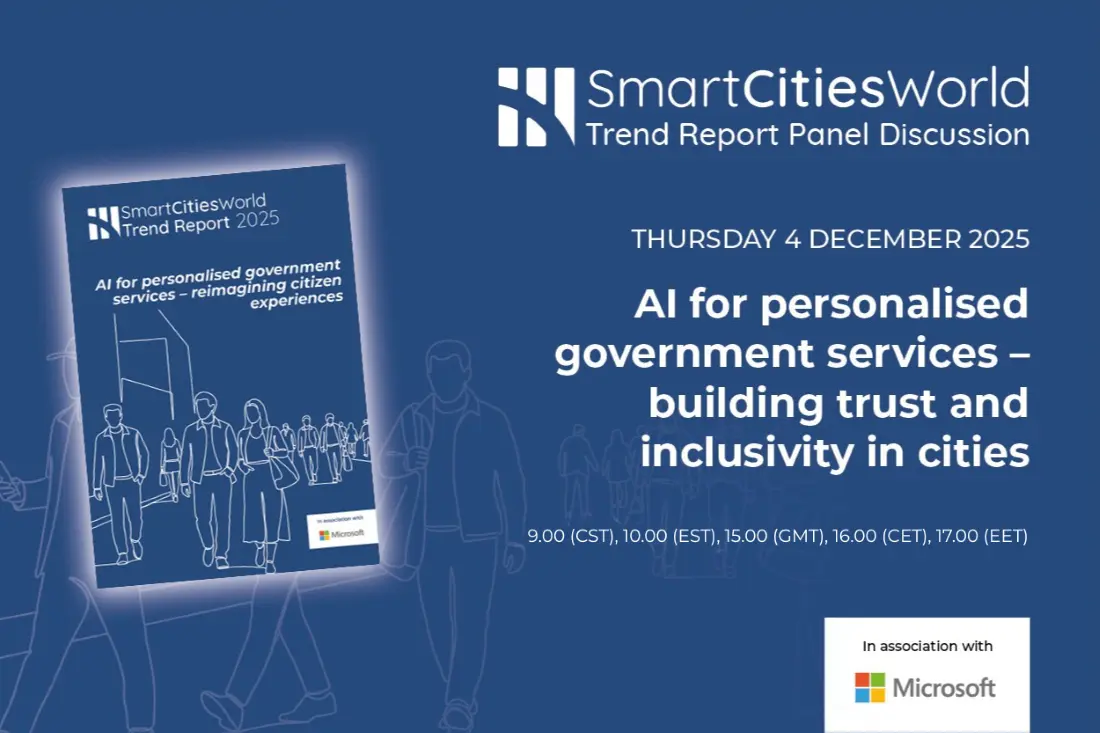
In an era where technology is reshaping nearly every aspect of urban life, the integration of artificial intelligence (AI) into government services has emerged as a critical frontier. The goal is not merely efficiency, but also the creation of personalised, inclusive, and trustworthy experiences for citizens. A recent panel discussion, part of an OnDemand Trend Report, delved into how cities are leveraging AI to achieve these goals, with insights from experts like Cristina Bueti of the International Telecommunication Union (ITU) and case studies from cities like Sunderland and Dublin.
At the heart of the discussion is the concept of AI-powered digital twins. These virtual replicas of physical urban systems allow city planners to simulate and optimise infrastructure, from traffic flow to energy use. By using real-time data, digital twins enable predictive maintenance, resilience planning, and more responsive services. For instance, a city can model the impact of a new bus route or the closure of a bridge before making costly physical changes. This not only improves efficiency but also enhances sustainability by reducing waste and energy consumption.
Urban transport networks are a prime example of how data and AI are being deployed to improve outcomes for communities. Smart sensors, GPS data, and AI algorithms help plan routes, manage congestion, and reduce emissions. Real-time information systems empower passengers with accurate arrival times and alternate route suggestions, making public transport more attractive and accessible. These innovations are not just technical feats but also tools for social equity, as they can prioritise underserved neighbourhoods or accommodate the needs of elderly and disabled residents.
However, as cities race to connect data and tighten security, they face significant challenges. Fragmented systems and vendor lock-in can hinder interoperability, creating silos that undermine the very goal of personalised services. Cristina Bueti emphasised during the panel that cities must prioritise interoperability, inclusivity, and human oversight now, before these fragmented systems define the future of urban AI. Without proactive governance, AI might exacerbate inequalities or erode trust.
Building trust requires transparency and ethical frameworks. Citizens need to understand how their data is used and have control over it. Inclusivity means designing AI systems that work for everyone, regardless of digital literacy or socio-economic status. This includes ensuring that algorithms do not discriminate or amplify biases. Human oversight is crucial to catch errors, interpret outcomes, and maintain accountability. City leaders must invest in digital literacy programmes and engage communities in the design process.
Real-world examples illustrate these principles in action. Sunderland, UK, is repositioning itself as a leading smart city by using digital infrastructure and low-carbon innovation. Its city profile highlights projects that use AI to monitor energy consumption in public buildings, optimise street lighting, and improve waste collection. By integrating data across departments, Sunderland creates a unified view of city operations, enabling more personalised and efficient services for residents. The focus on resilience ensures that the city can adapt to future challenges, from climate change to economic shifts.
Similarly, Dublin is innovating to enhance community experiences and services. The Irish capital has launched several digital twin projects aimed at improving urban planning and traffic reduction. One such project models the city's transport network to test congestion pricing and alternative routing strategies. Dublin is also exploring AI-powered chatbots for citizen services, allowing residents to interact with government in natural language. These initiatives are designed to boost economic growth while reducing carbon footprint, demonstrating that sustainability and prosperity can go hand in hand.
Another key area discussed was smart lighting. The panel highlighted episodes from the series "Cities Thriving on Lighting," which examines how cities are approaching smart lighting and associated cybersecurity risks. Smart streetlights can be equipped with sensors for air quality, noise, and occupancy, turning them into interconnected data platforms. However, this connectivity introduces vulnerabilities. Cities must ensure that these networks are secure, interoperable, and future-proof, following international standards like those from the ITU. The UN's Virtual Worlds Day event further explored how AI, spatial intelligence, and the "Citiverse" ecosystem can be turned into trusted, people-centred outcomes, as noted by Paul Wilson. These discussions underline the importance of public-private partnerships and global cooperation.
Safety is another dimension where AI makes a difference. Smart sensor networks in buildings can detect early signs of fire, gas leaks, or structural weakness, improving situational awareness and supporting healthier, more secure environments. These systems use AI to analyse data from multiple sensors, reducing false alarms and triggering timely responses. Such innovations are especially valuable in public housing, schools, and healthcare facilities, where safety is paramount.
The panel also referenced an OnDemand session on digital twins as the intelligent operating layer for cities. This concept positions digital twins not just as simulation tools but as the central nervous system for urban management. By integrating AI, digital twins can provide real-time insights, predict failures, and automate responses. For example, a digital twin of a water network can detect leaks and adjust pressure automatically, saving water and preventing damage. This intelligent layer can also personalise services: a citizen might receive alerts about road closures tailored to their commute, or recommendations for energy savings based on their home's energy profile.
Data strategy is the foundation of these applications. A webinar on getting your data strategy right emphasised the importance of data governance, quality, and accessibility. Cities must invest in robust data infrastructure, including cloud platforms, APIs, and data lakes, to enable seamless sharing across departments. At the same time, they must comply with privacy regulations and ethical guidelines. The goal is to create a data ecosystem that empowers innovation while protecting citizens' rights.
SmartCitiesWorld newsletters, both daily and weekly, keep professionals informed about the latest developments in this fast-evolving field. The editorial newsletter curates top news items, city interviews, special reports, and guest opinions, providing a comprehensive resource for anyone working in smart cities. This continuous stream of information helps policymakers, technologists, and researchers stay abreast of trends and best practices.
Ultimately, the panel discussion reinforced that AI for personalised government services is not just about technology but about people. The success of these initiatives hinges on building trust through transparency, ensuring inclusivity through design, and maintaining human oversight for accountability. Cities that embrace these principles will not only deliver better services but also foster stronger communities. The transformation is already underway in places like Sunderland and Dublin, serving as beacons for others to follow.
As urban populations grow and resources become scarcer, the need for smart, efficient, and humane systems will only intensify. AI offers unprecedented opportunities to tailor services to individual needs, from healthcare appointments to permit applications. However, the path forward requires careful navigation of challenges related to data privacy, algorithmic bias, and digital divide. The insights from this panel discussion provide a roadmap for cities willing to invest in a future where technology serves everyone equitably.
In summary, the integration of AI into government services holds immense promise for creating more responsive, trustworthy, and inclusive cities. By prioritising interoperability, human oversight, and citizen engagement, urban leaders can harness these tools to build not only smarter but also more compassionate communities. The examples from Sunderland and Dublin demonstrate that this vision is achievable, offering lessons that cities worldwide can adapt to their own contexts.
Source: Smart Cities World News