

Introduction
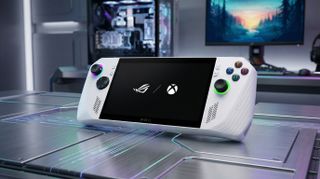
In recent years, handheld gaming PCs have emerged as a groundbreaking segment in the gaming industry. These devices combine the portability of traditional handheld consoles with the processing power of full-fledged gaming PCs, allowing gamers to enjoy a wide array of titles on the go.
The Rise of Handheld Gaming
Historically, portable gaming has been dominated by consoles such as the Nintendo Switch and PlayStation Vita. However, advancements in technology have paved the way for handheld gaming PCs that leverage powerful hardware in compact designs. With the ability to run demanding AAA games, these devices are changing the landscape of mobile gaming.
Key Features of Handheld Gaming PCs
- Powerful Hardware: Modern handheld gaming PCs are equipped with high-performance processors and graphics cards, enabling them to handle sophisticated gaming titles.
- Versatile Controls: Many devices feature customizable controls, allowing gamers to tailor their experience to their preferences.
- High-Resolution Displays: With advancements in display technology, handheld gaming PCs often boast vibrant screens that enhance the gaming experience.
- Robust Battery Life: Despite their powerful components, manufacturers are focusing on optimizing battery life to ensure extended gaming sessions without interruptions.
Technological Innovations
The development of handheld gaming PCs has been fueled by several technological innovations. The introduction of powerful processors, such as AMD's Ryzen and Intel's latest chips, has significantly enhanced the performance of these devices. Additionally, advancements in cooling technology allow for efficient heat management, ensuring that the devices remain comfortable during extended use.
Operating Systems and Game Compatibility
Most handheld gaming PCs run on Windows, which broadens the range of game compatibility. Players can access their entire library of PC games, including titles from platforms like Steam and Epic Games Store. This flexibility is a major selling point, allowing users to enjoy games that were previously confined to desktop setups.
Market Trends and Consumer Demand
The demand for handheld gaming PCs is rising, driven by gamers' desire for flexibility and performance. As more consumers seek to blend their gaming experiences with mobility, manufacturers are responding with innovative designs and features. The market is seeing a surge of new entrants, each aiming to carve out a niche in this expanding segment.
Challenges Ahead
Despite the promising outlook, the handheld gaming PC market faces several challenges. High production costs can lead to elevated retail prices, making these devices less accessible to casual gamers. Additionally, battery consumption remains a critical concern, as powerful hardware can quickly deplete battery life, necessitating ongoing advancements in energy efficiency.
The Future of Handheld Gaming PCs
Looking ahead, the future of handheld gaming PCs appears bright. As technology continues to advance, we can expect even more powerful devices that push the boundaries of mobile gaming. Innovations in cloud gaming may also play a role, allowing gamers to stream titles rather than relying solely on local storage and processing power.
Conclusion
Handheld gaming PCs are poised to revolutionize the gaming landscape, merging performance with portability. As technology evolves and the market grows, these devices will likely become a staple for gamers seeking flexibility without sacrificing quality. The journey of handheld gaming PCs has only just begun, and it promises to offer exciting developments in the years to come.
Source: Windows Central News